Understanding Reclaimed Water Systems
As the global water crisis intensifies, reclaimed water systems are emerging as a pivotal component in sustainable water management. These systems effectively recycle wastewater, transforming it into a valuable resource. Through advanced treatment technologies, reclaimed water systems enable municipalities and industries to not only reduce their water footprint but also enhance their operational resilience. When exploring options, reclaimed water systems offer comprehensive insights into efficient wastewater recycling strategies.
What Are Reclaimed Water Systems?
Reclaimed water systems, often referred to as water recycling or water reclamation systems, involve the treatment of wastewater, stormwater, and other non-potable water sources to produce water suitable for various uses. This process includes advanced filtration and disinfection techniques to ensure the water meets safety and quality standards. The reclaimed water may then be employed for irrigation, cooling industrial processes, or even replenishing groundwater supplies.
Importance of Wastewater Recycling
In the face of rising populations and climate change, traditional freshwater sources are becoming increasingly strained. Wastewater recycling plays a crucial role in addressing this challenge by providing an alternative water supply that reduces reliance on freshwater resources. Moreover, it contributes to environmental conservation by minimizing the discharge of polluted water into ecosystems.
Key Technologies in Reclaimed Water Systems
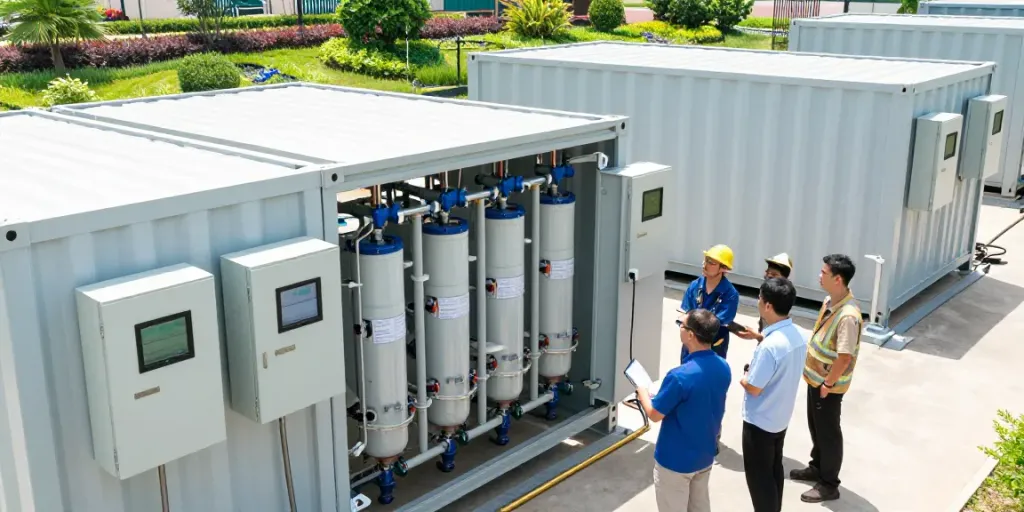
The efficiency of reclaimed water systems largely depends on the technologies employed in the treatment process. Key technologies include:
- Membrane Bioreactors (MBR): MBR combines biological treatment with membrane filtration, producing high-quality effluent suitable for a variety of applications.
- Ultrafiltration (UF): This filtration process removes suspended solids and pathogens, enhancing water quality before it undergoes further treatment.
- Reverse Osmosis (RO): RO is used to remove dissolved solids and contaminants, making the water safe for sensitive applications.
Benefits of Implementing Reclaimed Water Systems
Environmental Advantages
Implementing reclaimed water systems brings significant environmental benefits. By recycling wastewater, these systems help in conserving freshwater resources, thus safeguarding natural water bodies from over-extraction. They also contribute to reducing the energy required for water transport and treatment, as well as minimizing greenhouse gas emissions associated with conventional wastewater disposal methods.
Cost Effectiveness for Industries
Industries that adopt reclaimed water systems can experience substantial cost savings. By utilizing reclaimed water instead of purchasing freshwater, companies can reduce their operational costs significantly. Moreover, the investment in such systems often leads to lower wastewater discharge fees and mitigates the risk of water scarcity during droughts, making businesses more resilient to changing environmental conditions.
Support for Sustainability Goals
Organizations are increasingly aligning their operations with sustainability goals. Implementing reclaimed water systems supports corporate social responsibility initiatives by reducing a company's carbon footprint and promoting resource efficiency. Moreover, using reclaimed water in place of potable water for non-potable applications demonstrates a commitment to sustainable practices and enhances a company’s public image.
Challenges in Reclaimed Water Systems
Regulatory Hurdles in Implementation
Despite the benefits, numerous regulatory challenges may hinder the implementation of reclaimed water systems. Each region has different regulations regarding the use of reclaimed water, and navigating these complex regulations can be daunting. Often, extensive permitting processes and compliance with local health and safety standards can delay deployment.
Public Perception and Acceptance
Public perception is a significant barrier to the widespread adoption of reclaimed water systems. Many communities remain skeptical about the safety and efficacy of treated wastewater. Education and outreach efforts are crucial to inform the public about the safety measures and benefits of reclaimed water, facilitating greater acceptance and adoption.
Technical Limitations and Solutions
While technology plays a central role in the efficacy of reclaimed water systems, there can be technical limitations. For example, aging infrastructure may not support advanced treatment technologies. Addressing these limitations may require substantial investment in upgrades and maintenance. Implementing pilot programs can demonstrate effectiveness and encourage larger-scale adoption.
Best Practices for Maintaining Reclaimed Water Systems
Regular Maintenance and Monitoring
To ensure optimal performance, regular maintenance and monitoring of reclaimed water systems are imperative. Routine inspections and maintenance schedules help prevent equipment failures and ensure compliance with quality standards. Implementing automated monitoring systems can enhance the efficiency of these processes by providing real-time data on system performance.
Training Staff for Operational Excellence
Equipping staff with the knowledge and skills to operate reclaimed water systems is essential. Training programs should include operational best practices, safety protocols, and emergency response procedures. Continuous education opportunities will help maintain a high level of expertise and operational excellence within the organization.
Adhering to Health and Safety Standards
Compliance with health and safety standards is a non-negotiable requirement in operating reclaimed water systems. Utilizing certified treatment technologies and adhering to local and national regulations ensures the safety of both the staff and the community. Regular audits and safety assessments can help maintain these high standards.
The Future of Reclaimed Water Systems
Emerging Trends and Innovations for 2026
The landscape of reclaimed water systems is rapidly evolving, driven by technological advancements and increasing water scarcity. Emerging innovations include the integration of artificial intelligence for predictive maintenance, advanced sensors for real-time monitoring, and smart water management systems that enhance overall efficiency.
Global Case Studies on Successful Implementations
Many regions worldwide are setting examples in the successful implementation of reclaimed water systems. For instance, California's extensive reuse programs demonstrate how integrated approaches can manage water resources during drought conditions. Similarly, Singapore's NEWater initiative showcases cutting-edge technologies in water reclamation, setting a benchmark for global practices.
Preparing for Policy Changes and Advancements
As public awareness of water scarcity issues increases, policymakers are expected to favor regulations promoting reclaimed water use. Organizations should proactively engage with regulatory bodies to influence and adapt to these changes. Preparing for new policies will ensure that businesses remain compliant and ahead of the curve in adopting sustainable practices.