Understanding Machine Shop Fundamentals
In today's rapidly evolving industrial landscape, the role of a machine shop extends far beyond simple fabrications. With over 60 years of experience, Lowrance Machine exemplifies how modern machine shops intertwine tradition with cutting-edge technology to deliver unparalleled solutions to diverse industries. Understanding the fundamentals of machine shop operations—from processes and equipment to essential industry relationships—is crucial for stakeholders aiming to optimize production and ensure quality.
What is a Machine Shop?
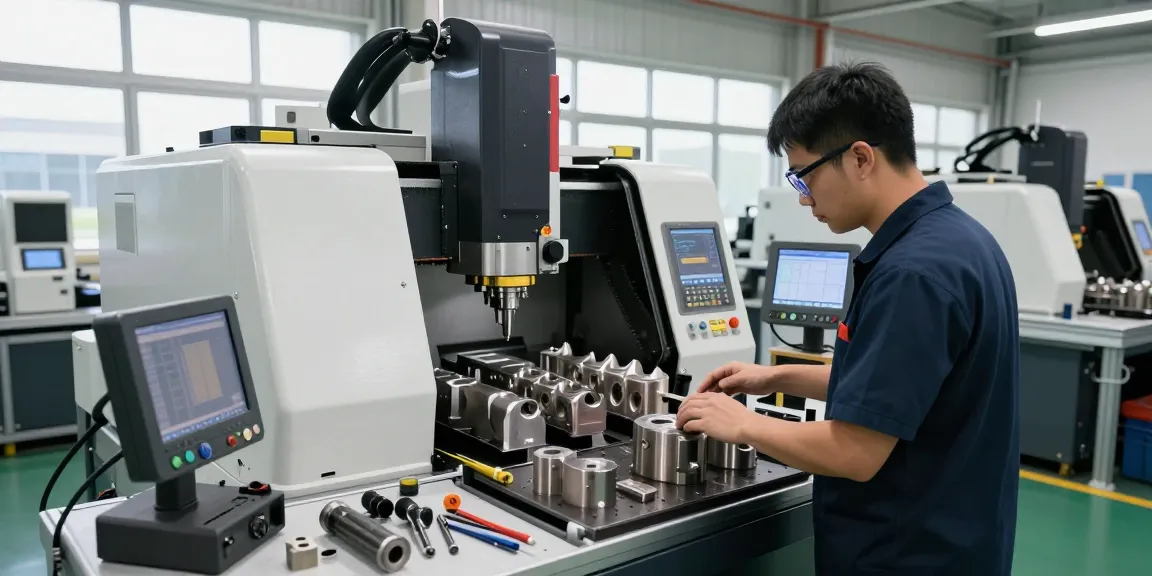
A machine shop is a facility equipped with various tools to manufacture, modify, or repair engineered products. It typically involves the machining of metals and plastics, where components are produced based on precise specifications. Machine shops can range in size from small family-owned operations, like Lowrance Machine, to large industrial facilities capable of mass production. The core function of any machine shop remains the same: to transform raw materials into functional components and products that meet client specifications.
Key Processes in Modern Machine Shops
Modern machine shops employ a variety of machining processes, including:
- CNC Machining: Computer Numerical Control (CNC) machining automates the control of machine tools through computers, enhancing precision and repeatability.
- Manual Machining: While CNC machines dominate, manual operations are still essential for small-scale or intricate tasks that require a human touch.
- Welding: Joining materials through welding processes is a fundamental aspect of many machine shops that handle metal components.
- Grinding: This process refines the surface of materials to achieve tight tolerances and specific finishes.
Each of these processes demands skilled labor and quality assurance to ensure that finished products meet stringent industry standards.
Understanding Machine Shop Equipment
To execute a variety of machining processes, comprehensive equipment is crucial. Typical machinery found in a machine shop includes:
- Lathe Machines: Essential for shaping materials by removing excess material through rotational motion.
- Milling Machines: Used to cut and shape materials with a rotating cutter that moves against a stationary workpiece.
- Grinding Machines: Focus on material removal through abrasive surfaces to refine components to precise dimensions.
- Drilling Machines: Used for creating holes in various materials, an essential function in component fabrication.
The right combination of equipment allows machine shops to offer customized solutions tailored to the specific needs of their clients.
Significance of Quality and Precision in Manufacturing
The importance of quality assurance in machine shops cannot be overstated. As competition increases globally, maintaining high standards becomes a differentiating factor. Lowrance Machine stands out through its commitment to quality and its ISO 9001 certification, which assures customers of rigorous standards in every aspect of its operations.
ISO 9001 Certification in Machine Shops
ISO 9001 certification illustrates a company’s dedication to quality management principles, including a strong customer focus, the involvement of top management, a process approach, and continuous improvement. Machine shops with this certification exemplify commitment to producing consistent, high-quality products while adhering to regulatory requirements.
Measuring Precision: Tools and Techniques
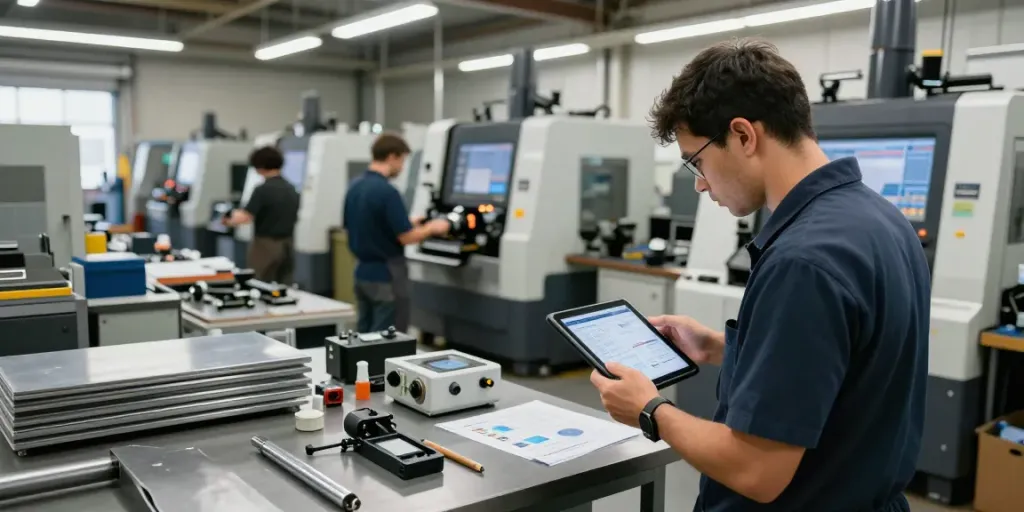
Precision measurement tools, such as calipers, micrometers, and coordinate measuring machines (CMM), are pivotal in ensuring the accuracy and quality of manufactured products. The implementation of advanced techniques, including laser scanning and 3D imaging, helps in identifying discrepancies early in the production process, mitigating costly errors.
Common Quality Control Challenges
Despite the best systems in place, machine shops often face challenges such as:
- Human error during setup and operation.
- Inconsistent material quality from suppliers.
- Equipment malfunctions that can lead to production delays.
Addressing these challenges requires ongoing training, investment in technology, and a culture of quality and accountability.
Developing Strong Partnerships in the Industry
Building strong relationships is crucial in the manufacturing sector. A machine shop's success often hinges on the strength of its partnerships, from suppliers to customers. At Lowrance Machine, this philosophy is at the heart of our operations, allowing us to deliver superior products and services consistently.
The Role of Relationships in Manufacturing Success
A robust network of partnerships enhances flexibility, improves service delivery, and leads to innovative solutions. Collaborating with clients fosters transparency and promotes a shared commitment to quality, further ensuring the success of both parties. Establishing long-term relationships with suppliers also allows for better negotiation on materials and services, ultimately leading to lower costs and higher quality outcomes.
How to Choose the Right Machine Shop Partner
When selecting a machine shop partner, consider the following factors:
- Experience and Reputation: Researching a shop’s history and reviews can provide insight into its reliability and quality.
- Capabilities: Ensure that the shop can meet your specific project requirements in terms of technology and expertise.
- Quality Assurance Practices: Look for certifications like ISO 9001 that demonstrate a commitment to quality.
- Customer Support: Effective communication and support can significantly influence project success.
Case Studies: Successful Collaborations
Case studies of successful partnerships illustrate the tangible benefits of collaboration. For example, a recent project at Lowrance Machine involved the development of a custom mold for an aerospace client. Through close collaboration, we were able to deliver the project ahead of schedule while maintaining compliance with rigorous aerospace standards, showcasing how effective teamwork can drive success.
Challenges Facing Machine Shops Today
The landscape of manufacturing is continually evolving, and machine shops face several challenges that must be addressed to remain competitive.
Adapting to Technology Changes in Manufacturing
With the advent of Industry 4.0, machine shops must embrace changes in technology, such as automation and smart manufacturing systems. The integration of IoT (Internet of Things) devices allows for real-time monitoring and data collection, enhancing operational efficiency. However, the rapid pace of technological change can be daunting and requires a willingness to invest in new tools and training.
Workforce Shortages and Skills Gaps
The manufacturing sector is currently grappling with a noticeable shortage of skilled labor. Attracting and retaining talent is essential for machine shops to uphold quality and innovation. Offering competitive wages, benefits, and focusing on training and development can help mitigate this challenge.
Mitigating Supply Chain Disruptions
Global supply chains have been significantly impacted in recent years, leading to material shortages and increased costs. Machine shops must develop strategies to manage these disruptions, such as diversifying suppliers, building inventory reserves, and enhancing logistics planning to mitigate risks associated with supply chain instability.
The Future of Machine Shops in 2026 and Beyond
Looking ahead, the landscape for machine shops promises substantial transformations as technology and market demands evolve. Understanding these changes is vital for strategic planning and long-term success.
Emerging Technologies in Machining
Technologies such as additive manufacturing (3D printing) and advanced robotics are reshaping production capabilities in machine shops. These innovations can enhance prototyping speed, reduce material waste, and enable complex geometries that were previously unattainable with traditional machining methods.
Sustainability Practices in Machine Shop Operations
As environmental concerns become increasingly important, machine shops must focus on sustainability practices. Implementing energy-efficient machinery, reducing waste through recycling programs, and utilizing sustainable materials can help minimize environmental impact while improving overall operational efficiency.
Predictions for the Machine Shop Industry
By 2026, we expect the machine shop industry to experience significant growth, driven by increasing demand for customized solutions across various sectors, including automotive, aerospace, and electronics. However, success will depend on the ability to adapt to technological advancements and changing consumer needs while maintaining a steadfast commitment to quality and service.
In conclusion, machine shops like Lowrance Machine exemplify the intersection of tradition and innovation, embodying the essential qualities of quality, service, and experience. By understanding industry fundamentals, embracing technological advancements, prioritizing quality assurance, and cultivating strong partnerships, machine shops can navigate the challenges of today and thrive in the future.