Understanding the Basics of Facial Age Estimation
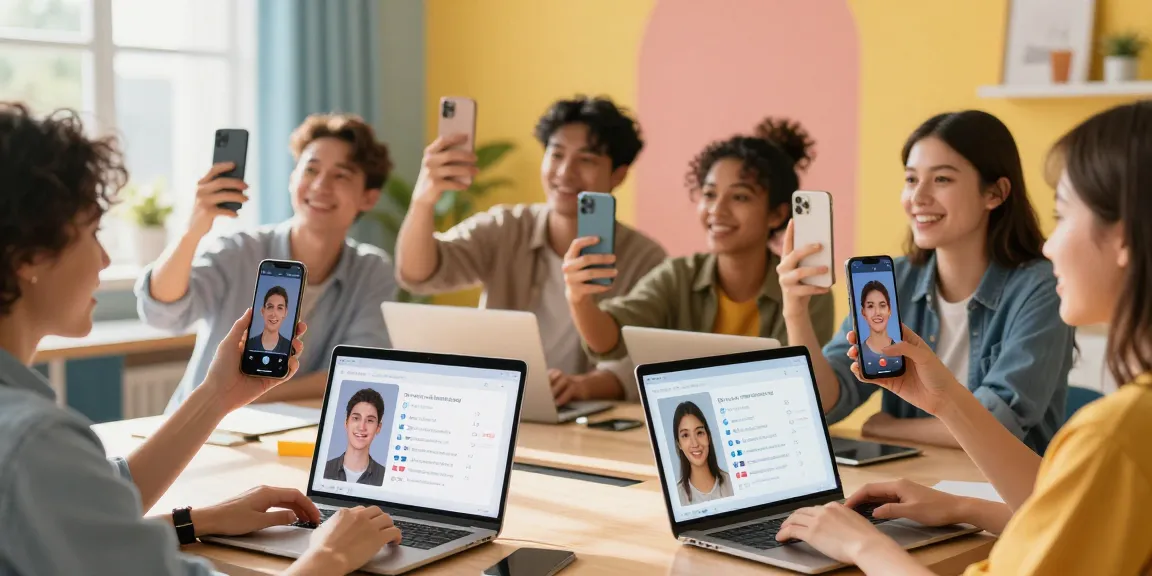
As technology advances, the ability to estimate a person’s age through facial recognition has gained both popularity and utility. Tools that claim to answer the question, how old do I look, are becoming increasingly common. These applications are not only entertaining but can also provide insights into our skincare and lifestyle choices. This article will delve into the science and technology behind facial age estimation, including its methods, limitations, and best practices for use.
What is the technology behind how old do I look?
The technology of facial age estimation primarily hinges on artificial intelligence (AI) and machine learning algorithms. These systems analyze various aspects of a face, including skin texture, wrinkles, and facial structure, to estimate one's biological age. By training on vast datasets containing images of faces labeled with their corresponding ages, AI models develop the capability to predict age based on the nuances in facial features.
Common methods used for age estimation
Several methods are employed in age estimation tools:
- Convolutional Neural Networks (CNNs): These are the backbone of most age detection algorithms, effectively identifying patterns in facial images.
- Support Vector Machines (SVMs): Often used in conjunction with feature extraction methods to classify facial images into age groups.
- Facial Landmark Detection: This technique identifies key facial features—like the eyes, nose, and mouth—to analyze aging signs accurately.
Limitations of current facial recognition technology
Despite its advancements, facial age estimation technology has several limitations. One major challenge is the variability in individual facial characteristics due to genetics, ethnicity, and environmental factors. Additionally, results can be impacted by image quality and lighting conditions, leading to significant discrepancies in age predictions. Misinterpretations can occur, resulting in either underestimating or overestimating someone’s age, thus causing frustration among users.
How to Use Age Estimation Tools Effectively
Using age estimation tools effectively requires a bit of knowledge and preparation. By understanding the process, users can optimize their experience and gain more accurate results from these intriguing applications.
Best practices for uploading photos
To get the best results from age estimation tools, consider the following tips when uploading your photos:
- Ensure good lighting: Natural light usually yields the best results, while harsh shadows may distort facial features.
- Avoid heavy makeup: A bare face allows the algorithm to analyze skin texture more accurately.
- Use a clear, frontal photo: Profile pictures or images taken at odd angles may lead to inaccurate estimations.
Interpreting age results accurately
When interpreting the results from these tools, keep in mind that they are estimates and not definitive answers. Variations in results across different applications may highlight the nuances of how age is assessed. It's crucial to approach these results with an open mind and see them as part of a broader understanding of personal aging.
Privacy considerations when using online tools
As with any online service, privacy is a significant concern. Ensure that the tools you use respect user privacy and do not store your images without consent. Familiarize yourself with the privacy policies of these tools to understand how your data is used and protected.
Popular Tools and Apps Available in 2026
Numerous tools and applications are available today that allow users to find out how old they look. Some of these tools have gained popularity due to their unique features and user-friendly interfaces.
Comparing leading tools for how old do I look
When comparing various age estimation tools, consider factors such as accuracy, user reviews, and additional features. Some leading apps include:
- FaceAge.ai: A robust platform that uses sophisticated algorithms to provide age estimations based on facial analysis.
- Fotor: This free online tool allows users to upload photos without signup, making it quick and accessible.
- BeautyPlus: An app that not only estimates age but also offers beauty and skincare tips based on the results.
Free versus paid options: What's the difference?
Many age estimation tools are free, but some premium versions offer enhanced features, such as advanced analyses and additional photo editing tools. Free versions can provide satisfactory results for casual users, while those looking for detailed insights may find value in paid options.
User experiences and reviews of popular age guessing apps
Reviews of age guessing apps can provide valuable information about their reliability and user satisfaction. Many users appreciate the fun aspect of these tools, while others express frustration over accuracy issues. Engaging in forums or checking app stores can provide insight into what to expect from each tool before trying it.
Debunking Myths Around Age Estimation Technology
As with any emerging technology, misunderstandings surrounding age estimation tools are common. Dispelling these myths is essential for users to make informed decisions.
Addressing common misconceptions about accuracy
One prevalent myth is that these tools can provide precise age estimates. In reality, while advancements have improved accuracy, the results remain estimates influenced by numerous factors.
Understanding variability in results among users
Different individuals may receive varying results even when using the same tool. Factors such as skin type, facial structure, and even stress levels on the day of the photo can make a significant difference.
The future of AI and ethical concerns
As AI technology evolves, ethical concerns arise, particularly around data usage and privacy. Ensuring that algorithms are trained responsibly and transparently is essential as these tools become more integrated into daily life.
Future Trends in Age Estimation Technology
Looking ahead to 2026 and beyond, several trends are likely to shape the evolution of age estimation technology.
What innovations to expect in 2026 and beyond?
Future advancements may include more personalized AI models that consider individual genetic and lifestyle factors, potentially increasing the accuracy of age estimations significantly. Machine learning improvements and deeper learning algorithms will likely lead to more refined tools.
Integrating facial age estimation with social media platforms
As social media continues to influence personal branding, AI tools may become integrated directly with platforms, allowing users to estimate their age in various contexts, such as profile pictures or marketing materials.
Potential impacts on personal branding and social interactions
Understanding how others perceive one's age can affect personal branding, marketing, and even social interactions. Individuals may adjust their online presence based on estimated age results, influencing their engagement strategies across platforms.
What factors influence how old do I look?
Several factors play a role in how old someone appears to others. These include:
- Skin elasticity and hydration
- Facial structure and symmetry
- Personal grooming and lifestyle choices
- Health and nutrition
Are age guessers reliable?
Age guessers can provide entertaining insights, but they should not be solely relied upon for accurate age prediction. Users should consider multiple factors when interpreting results.
How to leverage age estimation results for social media?
Individuals can use their age estimation results to enhance their social media engagement strategies. For instance, if an estimation suggests a younger appearance, users might tailor their content to appeal to younger audiences.
What privacy measures should I take?
When using age estimation tools, always prioritize privacy by researching the platform's data protection policies and avoiding sharing sensitive information or images without consent.
Will AI technology change in the coming years?
As technology advances, we can expect AI to become more sophisticated, leading to better age estimation tools that adapt to individual characteristics and deliver more accurate predictions. It will be crucial for developers to focus on ethical standards and user privacy as these innovations unfold.