The Future of Home Automation: Understanding Smart Solutions
As we move towards an increasingly digital world, the concept of home automation is gaining traction among homeowners and developers alike. With innovations evolving daily, the realm of smart homes is not merely a trend; it is a revolution in how we live, interact, and manage our living spaces. The integration of smart technology into daily living brings unparalleled convenience, energy efficiency, and heightened security. Companies like جهان اسمارت are at the forefront of this evolution, offering state-of-the-art solutions that redefine what it means to have a smart home.
What is Smart Home Automation?
Smart home automation refers to the networked control of various household features and systems via the internet. This includes lighting, heating, security systems, and entertainment appliances that can be managed remotely or through centralized systems. The core idea is to enhance user comfort, provide convenience, and promote energy efficiency while ensuring safety. Today’s smart home technologies enable homeowners to control their environments with mere taps on their smartphones or through voice-activated systems.
Benefits of Implementing Smart Technology in Homes
The transition to smart home technology is not just about luxury; it has several tangible benefits:
- Energy Efficiency: Smart devices can optimize energy usage, significantly lowering utility bills.
- Enhanced Security: Advanced systems can monitor homes, alert homeowners of unusual activity, and provide real-time surveillance access from anywhere.
- Convenience: Automation simplifies daily tasks, allowing users to schedule activities and control systems remotely.
- Home Customization: Smart systems can adapt to personal preferences, learning from user habits and offering customized experiences.
Key Components of a Smart Home System
A comprehensive smart home system is often built around several critical components:
- Smart Thermostats: Devices that learn your temperature preferences and adjust accordingly.
- Smart Lighting: Systems that allow control over light settings for mood and efficiency.
- Smart Security Systems: Cameras, alarms, and locks that connect to your smartphone for constant monitoring.
- Smart Appliances: Kitchen and laundry equipment that can be operated remotely or programmed for specific tasks.
Exploring the Features of جهان اسمارت
جهان اسمارت provides a suite of advanced solutions designed to integrate seamlessly into various living environments. Their offerings not only enhance the functionality of homes but also ensure ease of use for all occupants.
Advanced Control Systems for Efficient Living
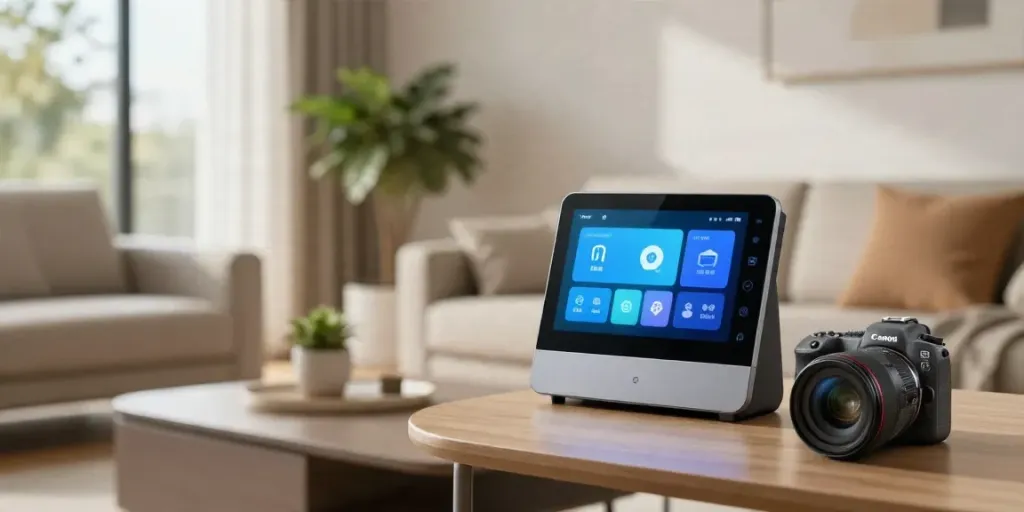
One of the hallmark features of جهان اسمارت's products is their sophisticated control systems. These systems can operate on both wired and wireless networks, catering to the diverse needs of different homes. Whether homeowners seek to automate lighting schedules or integrate security cameras, the control interface remains intuitive and user-friendly.
Integration with Existing Home Infrastructure
For many homeowners, the concern lies in the compatibility of smart technology with existing systems. Fortunately, جهان اسمارت excels in integrating new devices without the need for extensive modifications to current infrastructure. Their solutions can blend into older homes while providing cutting-edge technology.
User-Friendly Interfaces and Accessibility
The emphasis on accessibility ensures that even those who are not technologically savvy can navigate and utilize smart home features effortlessly. User interfaces are designed to be straightforward, often leveraging mobile applications or voice commands that promote an inclusive user experience.
Common Challenges and Solutions in Smart Home Implementation
While the benefits of smart home technology are compelling, there are challenges that homeowners might face when transitioning. Understanding these challenges and their solutions is crucial for a successful implementation.
Overcoming Technical Barriers in Installation
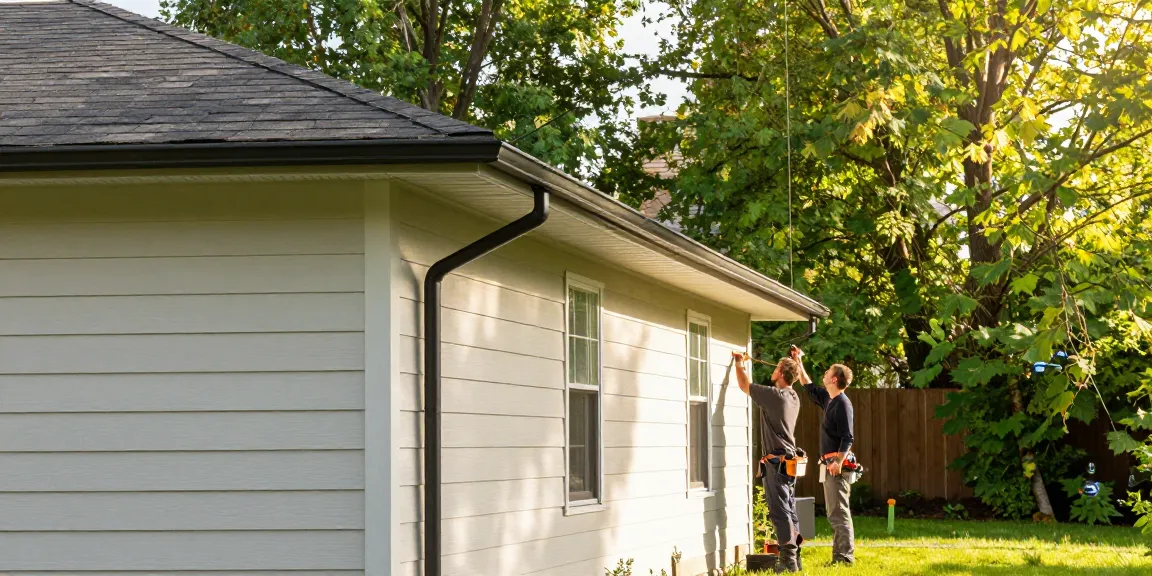
Technical barriers can arise during the installation of smart devices, especially in older homes with outdated wiring. Support from professional services like those offered by جهان اسمارت can alleviate these concerns, ensuring that installations are handled correctly and efficiently.
Dealing with Compatibility Issues between Devices
Another common issue is the compatibility of various smart devices. To mitigate this, homeowners should choose devices that adhere to common standards or rely on platforms that facilitate interoperability among different brands.
Privacy Concerns and Data Security Measures
Data security remains a significant concern for many users contemplating smart home technology. Companies like جهان اسمارت prioritize implementing robust security measures to protect user data and ensure privacy. This includes end-to-end encryption and regular updates to safeguard against vulnerabilities.
Real-World Applications of جهان اسمارت Solutions
Examining real-world applications of smart home solutions can provide insight into how these technologies enhance daily living.
Case Studies: Successful Smart Home Transformations
Numerous case studies highlight how families have transformed their living spaces through smart technologies. One notable example includes a family that converted their home with smart lighting and heating, leading to a 30% reduction in energy costs. The integration of smart security systems also provided them peace of mind, especially when traveling.
Customer Testimonials and Experiences
Feedback from clients who have adopted smart home technologies typically centers around increased convenience and enhanced lifestyle. Many users rave about the ease of controlling their homes from their smartphones, even when they are away.
Future Predictions for Smart Home Trends in 2026
Looking ahead to 2026, we can anticipate several emerging trends in smart home technology. This includes an increased focus on artificial intelligence that enhances the interactivity of devices, improved energy storage solutions for sustainability, and an expansion of smart home devices tailored for elderly care and support.
Getting Started with Your Smart Home Journey
Transitioning into a smart home environment can be an exciting process. Here’s how to start your journey:
Choosing the Right Products for Your Needs
Begin by assessing your requirements. Identify which areas of your home could benefit most from automation. Whether it’s security, energy management, or convenience, understanding your priorities will guide your purchasing decisions.
Step-by-Step Guide to Setting Up Your Smart Home
To set up a smart home effectively:
- Plan your network to ensure strong Wi-Fi coverage.
- Start small, maybe with one or two key devices.
- Follow manufacturer guidelines for installation or hire professionals.
- Gradually expand your system by integrating additional devices.
Monitoring Performance and Making Adjustments
After installation, it’s crucial to monitor the performance of your smart home system. Many systems offer analytics to track usage and efficiency. Regularly evaluating performance and user satisfaction allows for adjustments to be made, ensuring optimal functionality.
What are the most significant benefits of a smart home?
The primary benefits include enhanced security, energy efficiency, convenience, and the capability for remote monitoring and control. These aspects contribute to a more sustainable and manageable living environment.
How can I start implementing smart home technology?
Begin by identifying the areas of your home that require automation. Conduct research on the best devices that suit your needs and compatibility with existing systems. From there, create a phased plan to gradually integrate technology.
What challenges might I face when upgrading to smart home solutions?
Challenges may include installation issues, device compatibility, and concerns regarding data security. Engaging with reputable providers and staying informed can help mitigate these issues.
Are smart home systems safe and secure?
Yes, when implemented with best practices in security, smart home systems can be very safe. Ensuring that devices have strong encryption and regular updates is crucial for protecting user data.
What are the upcoming trends in smart home technology?
Anticipated trends include greater integration of AI, advancements in energy-efficient devices, and an increase in solutions catering to accessibility and elder care.