Understanding Hair Transplant Basics
In recent years, hair transplant procedures have gained considerable popularity, particularly in cities like Istanbul, where advanced technology meets affordability. Many people facing hair loss are exploring their options, and undergoing a hair transplant istanbul has emerged as a viable solution. This extensive guide aims to equip you with essential knowledge about hair transplantation, from techniques to recovery, ensuring you make informed decisions throughout your journey.
What is a Hair Transplant?
A hair transplant is a surgical procedure that involves relocating hair follicles from one part of the body to areas experiencing hair loss. This technique is most commonly applied to the scalp but can also be used on eyebrows and facial hair. By utilizing the body’s natural hair growth capabilities, a hair transplant provides a permanent solution to hair loss, resulting in a more youthful and fuller appearance.
Types of Hair Transplant Techniques
There are primarily two techniques utilized for hair transplantation: Follicular Unit Transplantation (FUT) and Follicular Unit Extraction (FUE). FUT involves removing a strip of scalp skin, from which hair follicles are extracted and implanted in thinning areas. In contrast, FUE entails harvesting individual hair follicles directly from the donor site, minimizing scarring and allowing for faster recovery. Understanding the differences between these methods is crucial for selecting the right approach for your specific needs.
Who is a Suitable Candidate?
Ideal candidates for hair transplants typically include individuals suffering from androgenetic alopecia, also known as male or female pattern baldness. However, factors such as age, hair type, and the extent of hair loss also play a significant role in determining candidacy. A thorough consultation with a qualified surgeon can help ascertain whether you are a suitable candidate for the procedure.
Choosing the Right Clinic in Istanbul
Selecting the right clinic is paramount for achieving successful results. Istanbul is home to numerous clinics offering hair transplant services, but quality varies significantly. It is essential to do thorough research and consider several key factors when making your choice.
What to Look for in a Hair Transplant Clinic?
When evaluating clinics, consider their reputation, patient reviews, and the technology they employ. Look for clinics that offer personalized treatment plans and a transparent approach to procedures, including pre- and post-operative care. Advanced facilities with experienced staff can significantly influence your overall experience and results.
Evaluating Surgeon Qualifications and Experience
The surgeon’s expertise is a critical factor in the success of a hair transplant. Verify their qualifications, certifications, and years of experience specifically in hair restoration. Surgeons who specialize in the field often have a deeper understanding of various techniques and can provide better results.
Understanding Clinic Accreditation and Standards
It is vital to choose a clinic accredited by recognized bodies within the healthcare industry. Accreditation ensures that the clinic adheres to strict safety and quality standards, providing peace of mind as you undergo your hair transplant journey.
Preparing for Your Hair Transplant Procedure
Proper preparation can significantly enhance your hair transplant experience and outcomes. Being well-informed and prepared will alleviate any anxiety you might have before the procedure.
Initial Consultation: What to Expect
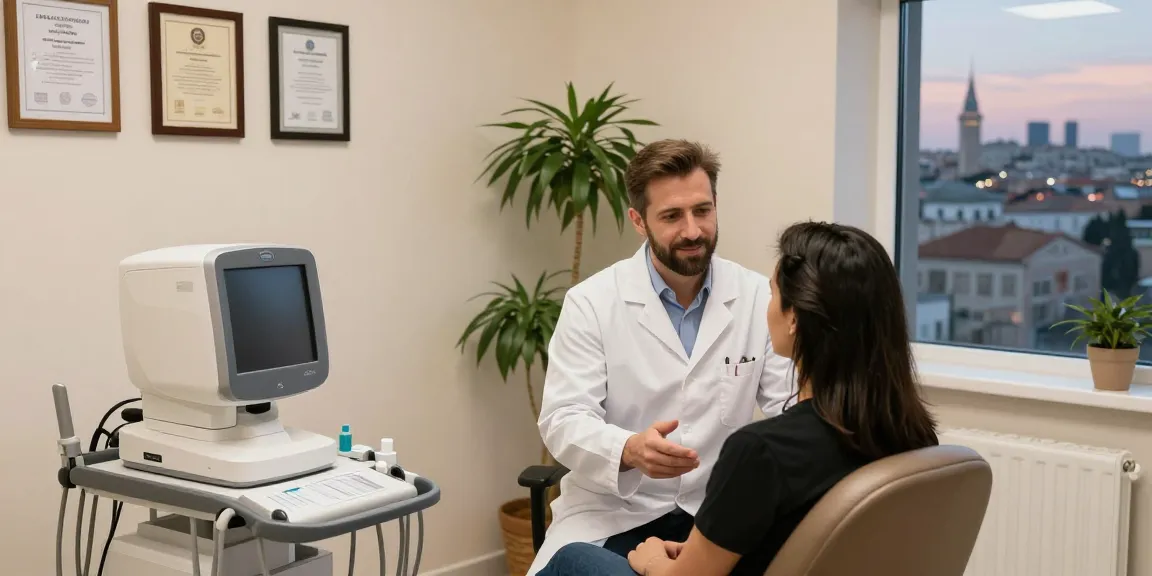
Your initial consultation should involve an in-depth discussion about your hair loss history and goals. A professional will assess your hair and scalp condition, outline the available options, and help you set realistic expectations for your results.
Pre-Procedure Guidelines and Preparations
Before your procedure, your surgeon may recommend specific guidelines to follow, such as avoiding blood thinners and certain medications. Following these guidelines will help minimize complications and optimize your results during the hair transplant.
Discussing Expectations and Goals
Clearly communicating your expectations with your surgeon is essential. Discussing your desired outcomes and any concerns you have ensures that both you and your surgeon are aligned on the goals of the procedure, contributing to a more satisfactory result.
Post-Transplant Care and Recovery
The journey doesn’t end after the surgery; proper aftercare is crucial for optimal results. Understanding the recovery process will help you navigate this stage effectively.
What to Expect After the Procedure?
Post-surgery, you may experience some swelling, redness, and discomfort in the treated area. These symptoms are typically mild and should subside within a week. Your surgeon will provide guidelines on managing these side effects and when to resume normal activities.
Essential Aftercare for Optimal Results
Taking care of your scalp after the procedure is vital for ensuring successful hair growth. Follow the aftercare instructions provided by your surgeon, which may include avoiding strenuous activities, protecting your scalp from sun exposure, and using prescribed hair care products.
Common Misconceptions About Recovery
There are several myths surrounding hair transplant recovery, such as the belief that hair will fall out immediately after the procedure. In reality, it is normal for transplanted hair to shed temporarily before new growth begins. Understanding the recovery timeline will help manage expectations and reduce anxiety.
Future Trends in Hair Transplantation
As technology evolves, so do the methods and techniques used in hair transplantation. Staying informed about emerging trends can help patients make educated decisions regarding their hair restoration journey.
Technological Advances in Hair Restoration
Recent innovations include robotic-assisted hair transplantation and advanced imaging technology, which can enhance the precision of the procedure. These advancements have the potential to reduce recovery times and improve overall patient satisfaction.
Emerging Treatment Options by 2026
Looking ahead, new treatment options such as stem cell therapy and platelet-rich plasma (PRP) injections are gaining traction. These methods promise to not only support hair restoration but also improve the health and density of existing hair.
Patient Success Stories and Case Studies
Hearing from those who have successfully undergone hair transplant procedures can be incredibly motivating. Many patients share their transformative journeys, emphasizing the boost in confidence and self-esteem that comes with successful hair restoration.
What is the typical cost of hair transplant in Istanbul?
The cost of a hair transplant in Istanbul can vary significantly based on the clinic, method used, and extent of hair loss. Typically, patients may expect to spend anywhere from $1,500 to $4,000, making Istanbul an attractive destination for those seeking high-quality, affordable hair restoration procedures.
How long does recovery take after a hair transplant?
Recovery time can differ among individuals, but most patients can return to regular activities within a week. Complete healing and hair growth may take several months, resulting in the final appearance of the transplanted hair usually around one year later.
Are hair transplant results permanent?
Yes, hair transplant results are generally permanent. The transplanted hair follicles are taken from areas resistant to balding, ensuring that they will continue to grow in their new location for years to come. However, it is essential to maintain overall scalp health to support long-term results.
What are the potential risks involved in hair transplantation?
As with any surgical procedure, hair transplantation carries potential risks such as bleeding, infection, and scarring. However, these risks are relatively low when the procedure is performed by an experienced surgeon in a reputable clinic.
How to maintain hair growth post-transplant?
After a hair transplant, using quality hair care products and following a balanced diet can promote healthy hair growth. Consulting your doctor about potential supplements and topical treatments may also enhance your results and support the health of your newly transplanted hair.