Understanding Affordable AI Art Generators
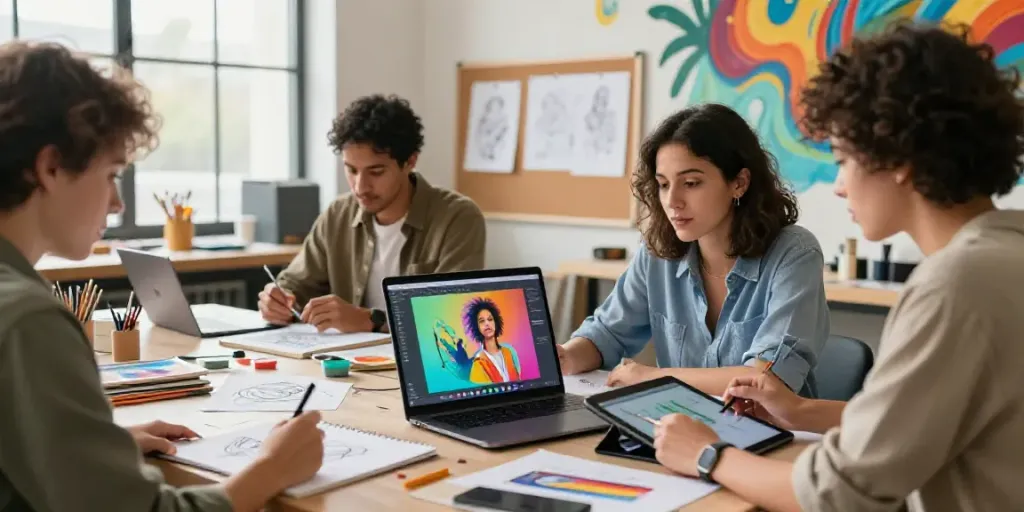
In today's digital landscape, the emergence of affordable AI art generators is transforming the way artists and creators approach the process of generating visual content. These tools harness advanced algorithms and machine learning technologies to produce high-quality images from simple text prompts, enabling users to explore their creativity without costly investments in traditional art materials or techniques. When exploring options, affordable AI art generator tools offer comprehensive insights into how technology can empower both novice and experienced artists alike.
What Are Affordable AI Art Generators?
Affordable AI art generators are software tools that utilize artificial intelligence to create artwork based on user-defined parameters or prompts. These generators typically allow users to input text descriptions, which the AI interprets and transforms into visual representations. Examples include tools like DALL-E, Artbreeder, and DeepAI, which cater to various artistic needs, from playful and surreal interpretations to realistic images. These platforms often operate on a freemium model, providing access to a basic set of features for free while charging for premium options.
How They Differ from Traditional Art Tools
Unlike traditional art tools, which often require extensive training, skill, and materials, AI art generators present a more approachable entry point into the field of art creation. Traditional artists invest significant time mastering mediums such as painting, drawing, or sculpting, while AI tools aim to democratize art by enabling virtually anyone to create stunning visuals instantly. This shift not only changes the production process but also invites questions about creativity, originality, and artistic value.
Key Features to Look For
- User-Friendly Interface: A straightforward design helps new users quickly navigate the tool.
- Customizable Options: Look for features that allow adjustment of styles, colors, and other attributes.
- Quality of Output: The ability to generate high-resolution images is crucial for professional use.
- Export Options: Ensure compatibility with various file formats to suit different usage needs.
- Community and Support: A robust support system and user community enhance the overall experience.
Benefits of Using AI in Art Creation
Cost-Effective Solutions for Artists
One of the most significant advantages of affordable AI art generators is their cost-effectiveness. Traditional art supplies can be prohibitively expensive, especially for artists just starting or working with limited budgets. AI tools eliminate the need for physical materials and reduce overhead costs, allowing creators to experiment without financial constraints. Additionally, many platforms offer free trials or low-cost subscriptions, making it feasible for anyone to start creating art.
Enhancing Creativity and Inspiration
AI art generators serve as a powerful source of inspiration. They can produce unique interpretations of user input that an artist might not have envisioned independently. This capability encourages users to think outside the box and explore new artistic directions. By generating unexpected results, these tools can spark fresh ideas and motivate artists to refine their own styles or techniques.
Streamlining the Workflow
For professional artists, time is often a precious commodity. AI art generators can significantly streamline the workflow by automating certain parts of the creative process. Tasks that would typically take hours, such as iterating designs or exploring variations, can now be completed in minutes. This efficiency allows artists to focus more on conceptualizing and refining their ideas rather than being bogged down by technical execution.
Common Misconceptions About AI Art Generators
AI Art is Not Real Art: Debunking Myths
One common misconception surrounding AI art generators is the belief that the artwork produced is not "real" art. Critics argue that because the creation process lacks human touch, it diminishes artistic value. However, many artists view AI as a tool that expands their creative toolkit rather than replacing traditional methods. The interplay between human creativity and machine output can lead to innovative art forms and new avenues for expression.
Concerns About Copyright and Ownership
The rise of AI-generated art has sparked significant debate regarding copyright and ownership. It raises questions about who holds the rights to an image created by an AI: the user, the software developer, or the technology itself. Currently, legal frameworks are evolving, but it is crucial for artists to understand the terms of use for any AI tool they employ. Being aware of copyright implications can help ensure that creators retain appropriate rights to their work.
The Learning Curve and Accessibility
Although AI art generators are designed to be user-friendly, there is still a learning curve associated with mastering these tools effectively. Understanding how to craft prompts to achieve desired results can require practice and experimentation. However, many platforms offer tutorials and community forums, which can help ease the transition for new users. Accessibility features, such as multilingual support or adaptive designs, are also becoming increasingly common, broadening the user base.
Best Practices for Working with AI Art Tools
Combining AI with Traditional Techniques
Integrating AI tools with traditional art practices can lead to extraordinary results. For instance, artists might create a base image with an AI generator and then enhance it through painting, drawing, or digital editing. This fusion of disciplines not only enriches the artistic process but also helps bridge the gap between technology and traditional artistry, fostering a unique creative identity.
Optimizing Settings for Desired Outcomes
To maximize the effectiveness of AI art generators, users should familiarize themselves with the available settings and tools. Adjusting parameters such as style, brush strokes, or color palettes can drastically alter the final output. Experimenting with these settings allows artists to better express their vision and achieve more satisfactory results.
Creating Unique Designs with AI Assistance
Using AI does not mean sacrificing uniqueness. Artists can leverage the technology to explore alternative designs and compositions while maintaining their creative signature. By customizing and refining AI-generated outputs, they can ensure that their work reflects their distinct artistic voice. The goal is to use AI as a facilitator for creativity rather than a crutch.
Future Trends in AI Art Generation (2026 and Beyond)
Emerging Technologies and Innovations
As technology continues to evolve, AI art generators are likely to incorporate more advanced features, such as enhanced interactivity and real-time collaboration. Innovations in machine learning algorithms and user interfaces will enable even more personalized experiences. Additionally, the integration of augmented and virtual reality into AI art platforms may usher in a new era of immersive art creation, where users can manipulate and experience their designs in three-dimensional spaces.
Shifts in Artistic Value Perception
The acceptance of AI-generated art poses questions about the future of artistic value. As these tools become more widespread, the art community may witness a shift in how art is valued, focusing more on the idea behind the work rather than the medium used. This evolving perspective could encourage dialogue between traditional and digital artists, fostering greater appreciation for diverse creative processes.
Case Studies of Successful AI Art Projects
Several institutions and artists are already pioneering the way for AI art. For instance, exhibitions featuring AI-generated paintings have drawn significant attention, inviting audiences to reflect on the intersection of technology and creativity. Notable projects, like those by Refik Anadol, showcase how AI can generate visually stunning installations that challenge conventional notions of authorship. These case studies illustrate the potential for AI to redefine art in innovative and meaningful ways.
What is the best affordable AI image generator?
The best affordable AI image generator will depend on your specific needs and budget. Tools like DeepAI and Artbreeder are known for their accessibility and versatility, while platforms such as DALL-E offer advanced capabilities with a more structured pricing model. Evaluating what fits your artistic vision and workflow will guide you to the right choice.
Can you legally sell AI-generated art?
Selling AI-generated art is permissible, but it is essential to understand the licensing agreements associated with the AI tools used to create the work. Review the terms of service carefully to ensure you are compliant with any regulations regarding commercial use.
Is there a 100% free AI image generator?
While many AI art generators offer free versions, these typically come with limitations regarding features or image quality. Some platforms may provide genuinely free tools, but they might restrict output quality or usability compared to paid options.
Is there a free AI art generator with no restrictions?
Finding a completely free AI art generator without restrictions can be challenging. Most free tools will have some limitations, be it in the form of fewer customization options or reduced image resolution. Always check the stipulations of the software to determine what you can do without fees.
Which AI is best for image generation for free?
For those seeking the best free AI art generation experience, platforms like Craiyon (formerly DALL-E Mini) or Pixray stand out. These tools offer a solid introductory experience without upfront costs, although users may encounter functionality limitations compared to premium options.