
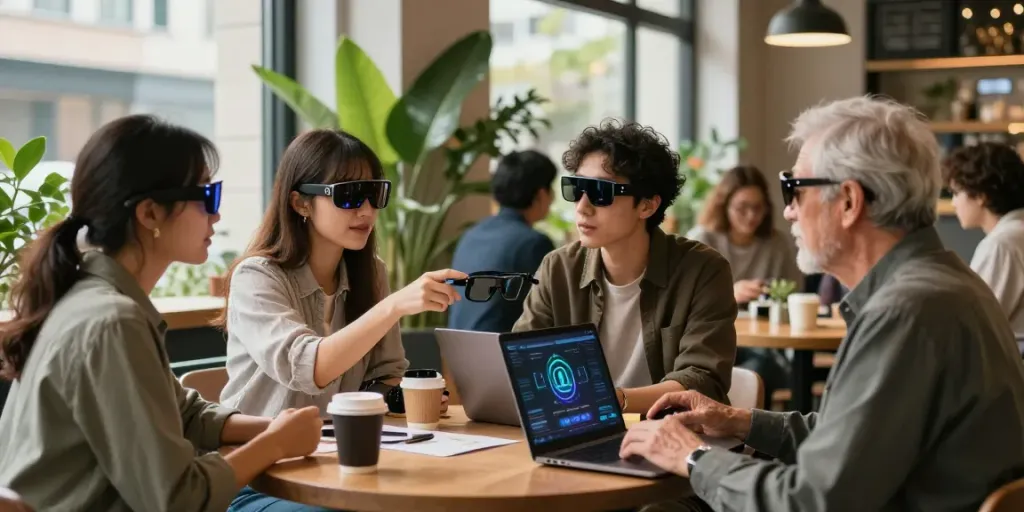
Understanding Smart Glasses Technology
In recent years, smart glasses have emerged as a groundbreaking innovation, blending advanced technology with everyday functionality. By integrating augmented reality (AR) capabilities, smart glasses enable users to interact with digital information while maintaining a seamless experience in their physical surroundings. As we dive into the current landscape of smart glasses in 2026, it becomes evident that their role in personal and professional settings is evolving rapidly, raising significant discussions around privacy and cybersecurity. For insights into the latest trends and news, bedfordsocialclub.com serves as a helpful resource.
What Are Smart Glasses?
Smart glasses are wearable devices that incorporate technology typically found in smartphones and tablets. These devices allow users to access information, take photos, and navigate their environment through voice commands or touch features. Popular examples include Google Glass and Microsoft HoloLens, with features like voice recognition, internet connectivity, and GPS functionality.
Key Features and Innovations
- Augmented Reality: Many smart glasses offer AR capabilities, overlaying digital information onto the real world to enhance user experience.
- Voice Control: The ability to interact through voice commands makes them hands-free, particularly useful in various professional environments.
- Integrated Cameras: Some models feature built-in cameras for capturing photos and videos, facilitating live streaming and documentation.
- Health Monitoring: Newer models may include sensors to monitor health metrics, such as heart rate or activity levels, appealing to fitness enthusiasts.
Current Market Trends in 2026
As of 2026, the smart glasses market is driven by increased demand in sectors like healthcare, education, and manufacturing. Companies are beginning to recognize the potential of these devices for training, remote assistance, and improving efficiency. Innovations in battery life and materials have made them more accessible and comfortable for everyday wear, possibly paving the way for broader adoption.
Privacy Concerns Surrounding AI Integration
While the advancements in smart glasses are exciting, they also raise serious privacy concerns. The integration of artificial intelligence (AI) capabilities means that these devices can process vast amounts of data, including visual and auditory information from their surroundings. This capability has led to fears regarding surveillance and data sharing without explicit consent, necessitating a discourse on ethics and privacy rights.
Identifying Risks Associated with Smart Glasses
Some of the primary risks associated with smart glasses include:
- Unauthorized Surveillance: The built-in cameras could potentially be used for recording without the knowledge of those being filmed, infringing on personal privacy.
- Data Breaches: With any connected device, the risk of hacking and unauthorized access to personal data remains a major concern.
- Health Risks: Continuous use of smart glasses could lead to eye strain or other health issues, raising questions about long-term effects.
Global Responses to Privacy Issues
In response to these concerns, various governments and organizations are formulating policies aimed at protecting individual privacy. Regulations are being discussed to mandate transparency regarding data collection and usage. User education is also becoming increasingly critical, allowing consumers to make informed choices about their tech integrations.
Strategies for Safe Usage of Technology
To mitigate privacy risks while using smart glasses, individuals can consider adopting the following strategies:
- Limit Functions: Disable features like live streaming or recording when not necessary to minimize privacy invasions.
- Stay Informed: Keep up-to-date with the latest privacy policies and technologies surrounding smart glasses.
- Utilize Security Settings: Always configure privacy settings to the highest standards, ensuring data protection.
ASEAN's Stance on Online Scams
As digital technology continues to advance, so does the prevalence of online scams, particularly in regions like ASEAN. The rise of the internet has made it easier for fraudulent schemes to proliferate, prompting a unified response from member countries.
How ASEAN Countries Are Combatting Scams
ASEAN nations are actively collaborating to combat online scams through various initiatives, including joint task forces and information sharing. Regulatory frameworks are being established to address cybercrime more effectively, aiming to protect consumers and businesses alike.
Educational Initiatives for Public Awareness
One notable effort is the implementation of educational campaigns aimed at raising public awareness about online scams. These initiatives focus on teaching consumers how to recognize and avoid fraudulent schemes, varying from phishing attacks to identity theft.
Trends in Cybersecurity for 2026
The cybersecurity landscape is evolving rapidly in response to these threats. By 2026, we anticipate a rise in advanced security measures, including AI-driven detection systems capable of identifying suspicious activities in real-time, further bolstering defenses against online scams.
The Commercial Vehicle Market in Indonesia
Indonesia’s commercial vehicle market has recently shown signs of recovery, driven by increasing economic activity and infrastructure development. In 2026, the market is projected to reach 71,759 units sold, with growth fueled by government policies supportive of transportation and logistics sectors.
Current Statistics and Projections
According to recent reports, the commercial vehicle segment reflects a robust recovery as businesses reinvest in fleet capabilities. The government's focus on enhancing logistical infrastructure has a direct correlation with increased vehicle sales, providing substantial economic benefits.
Impact of Economic Recovery on Sales
The economic recovery post-pandemic has significantly impacted vehicle sales. The rise in e-commerce and demand for on-time deliveries has propelled businesses to invest in newer, more efficient vehicles, necessitating a competitive edge in the market.
Government Policies and Market Growth
Continued government policies promoting green technology also play a vital role in shaping the commercial vehicle landscape. Incentives for electric and hybrid vehicles are redefining industry standards, encouraging manufacturers to innovate and meet changing consumer demands.
Upcoming Events and Economic Implications
As we look toward significant events like the Musabaqah Tilawatil Qur’an Nasional XXXI, set to be held in Semarang in 2026, we see the potential for local economic stimulation. Such high-profile events are instrumental in fostering tourism and enhancing local businesses.
Significance of MTQ Nasional Semarang 2026
This event not only highlights religious and cultural significance but also serves as a catalyst for economic activity within the region. Local merchants and service providers can anticipate increased patronage leading up to and during the event.
Economic Impact of International Relations
Current international relations, particularly between the US and Indonesia, are also influencing local economies. A recent payment of $725 million by the US to the UN underscores the importance of global diplomacy and its ripple effects on local markets.
Future Perspectives on Global Trade Dynamics
Trade dynamics are increasingly complex, with factors such as the ongoing trade wars influencing economic stability. As countries navigate these challenges, understanding the interdependencies in global markets will be essential for businesses aiming for resilience.