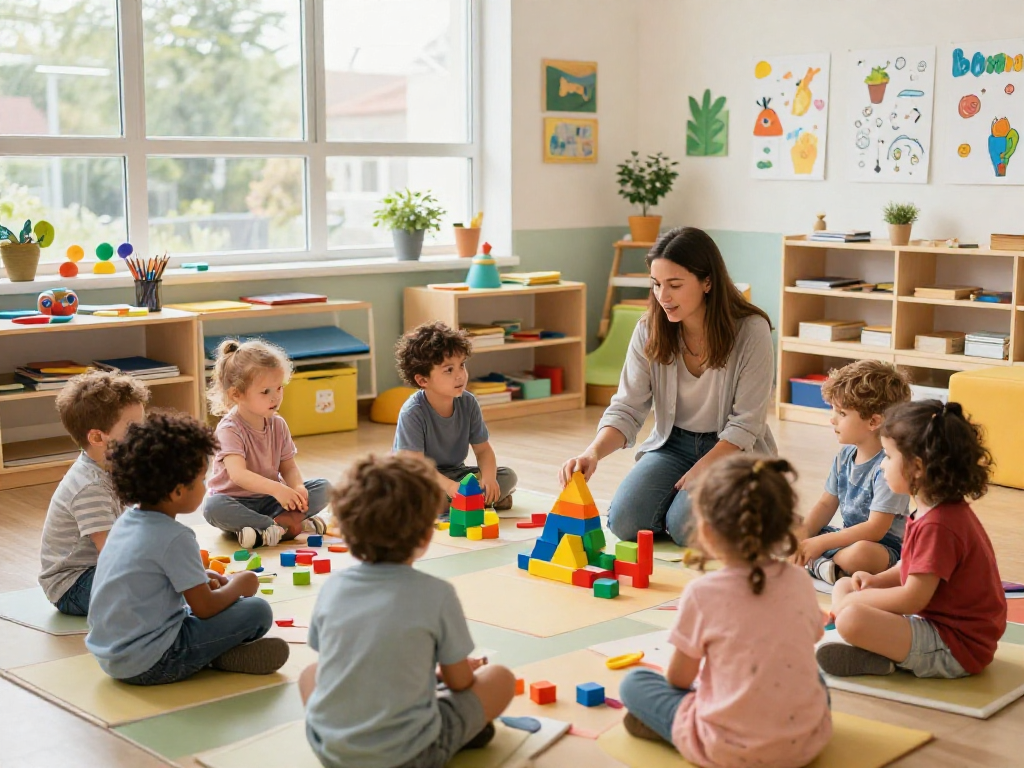
Understanding the Reggio Emilia Approach
The Reggio Emilia approach has gained significant recognition in preschool education, especially in Singapore, for its child-centered methodology and emphasis on inquiry-based learning. This philosophy nurtures creativity, communication, and collaboration in young learners, enabling them to develop critical thinking skills and a lifelong love for learning. As parents search for quality educational options, exploring institutions like Reggio Emilia Preschool Singapore can provide them with insights into how this approach is implemented effectively.
What is the Reggio Emilia Philosophy?
Originating from the town of Reggio Emilia in northern Italy, this educational philosophy prioritizes children as active participants in their own learning journey. It views each child as a curious individual full of potential, and it emphasizes the importance of community and collaboration. In this environment, educators work alongside children, facilitating meaningful interactions and experiences that promote personal growth and development.
Core Principles of Reggio Emilia Education
- Child-Centered Learning: Education is tailored to each child's interests and needs, making it relevant and engaging.
- Collaboration: Children work together on projects, learning from each other and developing social skills.
- Environment as the Third Teacher: Learning environments are designed to inspire creativity and exploration.
- Documentation: Educators document children’s progress and experiences, providing insights into their learning processes.
- Parental Involvement: Parents are partners in their child’s education, actively participating in learning and school activities.
Benefits of Inquiry-Based Learning in Early Childhood
Inquiry-based learning encourages children to ask questions, explore, and discover knowledge on their own. This method helps to develop critical thinking and problem-solving skills, which are essential for success later in life. Research shows that children who engage in inquiry-based learning demonstrate higher levels of understanding and retention of information, leading to a more profound and enjoyable educational journey.
Creating an Engaging Learning Environment
To effectively implement the principles of the Reggio Emilia approach, it is paramount to create learning environments that foster exploration and creativity. This involves careful planning and consideration of the physical space in which children learn.
Designing Spaces that Inspire Exploration
Classrooms should be designed as open, flexible spaces that allow children to move freely and engage in various activities. By incorporating areas for group collaboration, individual exploration, and quiet reflection, educators can support different styles of learning and cater to each child's unique interests.
Utilizing Natural Light and Materials
Natural light plays a critical role in creating a warm and inviting atmosphere conducive to learning. Using natural materials such as wood, stones, and plants can enhance the environment’s aesthetic and stimulate children's senses, making the learning experience more engaging.
Implementing Flexible Classroom Layouts
Flexible layouts allow educators to adapt the classroom according to the specific activities or projects planned. Whether it's a science experiment or an art project, being able to rearrange furniture and resources enables children to utilize the space creatively, enhancing their learning experience.
Fostering Teacher-Child Interactions
In the Reggio Emilia approach, the role of the educator is not just that of a teacher but of a facilitator. This shift in perspective encourages dynamic interactions that enrich the learning experience.
Importance of Low Teacher-Child Ratios
A low teacher-child ratio is essential to provide personalized attention and support. This allows educators to understand each child's unique needs and interests, fostering deeper connections and enhancing the educational experience.
Strategies for Effective Communication
Teachers should employ a variety of communication strategies to engage children in meaningful conversations. This includes active listening, open-ended questions, and encouraging children to express their thoughts and feelings, creating an atmosphere of trust and respect.
Encouraging Collaborative Learning Experiences
Collaborative projects that encourage teamwork allow children to share ideas, negotiate roles, and build community. Such experiences cultivate essential social skills, including empathy, problem-solving, and conflict resolution, which are vital in all areas of life.
Involving Families in Education
Family involvement is a cornerstone of the Reggio Emilia philosophy, recognizing the significant role that parents play in their children's education. Establishing strong partnerships between educators and families enhances the overall learning experience.
Creating Partnerships with Parents
Schools can foster partnerships with parents by maintaining open lines of communication, sharing insights about their child's progress, and inviting them to participate in school events and workshops. This collaborative approach enhances the educational experience and strengthens the school community.
Organizing Family Events and Workshops
Family events such as educational workshops, cultural celebrations, and open houses provide opportunities for parents to engage with the school community and learn more about the Reggio Emilia approach. These events not only encourage parental involvement but also create a sense of belonging and unity.
Encouraging Parent Feedback and Participation
Schools should actively seek feedback from parents about their experiences and expectations. This feedback can guide improvements in the educational program and help educators understand better how to support each child's learning journey.
Future Trends in Preschool Education
The landscape of preschool education is continually evolving, with new trends emerging as society changes. Being aware of these trends helps educators and parents adapt to the needs of the children.
Adapting to Technological Advancements
Technology is transforming education, and even preschoolers can benefit from age-appropriate digital tools that promote interactive learning. However, it is essential to balance technology use with hands-on, sensory experiences, which are critical for young children's development.
Integrating Cultural Diversity
As classrooms become more diverse, integrating cultural education into the curriculum fosters inclusivity and respect for differences. Teaching children about various cultures enhances their understanding of the world and encourages empathy among peers.
Preparing for Lifelong Learning Paths
Preschools must not only prepare children for academic success but also instill a passion for lifelong learning. By fostering curiosity and encouraging exploration, educators can equip children with the skills needed to navigate a rapidly changing world.
How Can Parents Ensure Their Child Thrives in Reggio Emilia Preschool?
Parents can play a vital role in their child's success by engaging in their learning processes, asking questions, and showing interest in their activities. This involvement not only supports their child’s educational journey but also reinforces the values taught in school.
What Activities Foster the Reggio Emilia Learning Style?
Activities that promote artistic expression, scientific inquiry, and social interaction are fundamental to the Reggio Emilia approach. Engaging children in hands-on projects and allowing them to explore their interests creates a rich educational experience that aligns with this philosophy.
How Do You Choose a Suitable Reggio Emilia Preschool?
When selecting a Reggio Emilia preschool, parents should consider the school’s commitment to the principles of the approach, the qualifications of the educators, and the quality of the learning environment. Visiting the school and observing interactions can provide valuable insights.
What are Essential Characteristics of Reggio Emilia Educators?
Educators in Reggio Emilia schools should be passionate, observant, and collaborative. They must engage with children, facilitating discoveries and supporting their individual learning paths while encouraging exploration and creativity.
How to Support Your Child’s Learning at Home?
Parents can support their child's learning by creating an environment that encourages curiosity and exploration. Providing resources, engaging in discussions, and participating in hands-on activities at home can reinforce the values and skills learned in school.