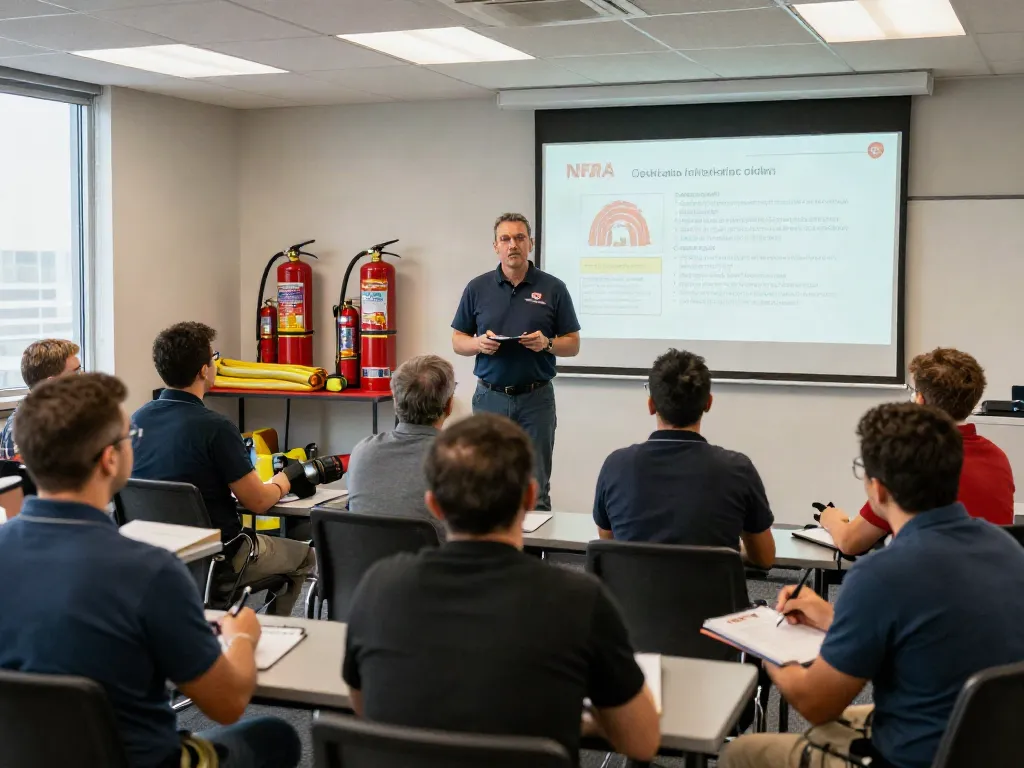
Understanding NFPA Certification Training
The National Fire Protection Association (NFPA) has established itself as a cornerstone in the fire safety and protection industry over the past 125 years. With a mission to save lives and protect property, NFPA has transitioned from its roots in fire sprinkler codes to becoming a leading advocate for safety standards globally. For organizations aiming to elevate their fire safety protocols, NFPA Certification Training offers a suite of robust programs that are indispensable in today's risk-laden environment.
What is NFPA Certification Training?
NFPA Certification Training encompasses a variety of courses designed to equip professionals with the necessary skills and knowledge in fire safety, emergency response, and risk management. Offered through authorized training providers like Burraq Business Consulting, these programs are globally recognized and adhere to NFPA's highest standards. The courses range from foundational fire safety principles to specialized training in areas such as electrical safety and hazardous materials management.
Importance of NFPA Certification in Fire Safety
The importance of NFPA Certification cannot be overstated. It not only ensures that professionals are well-versed in fire safety standards but also enhances organizational compliance with safety regulations. In an era of increasing scrutiny on workplace safety, having certified personnel is a significant asset for organizations striving for operational excellence.
Overview of NFPA Programs and Standards
NFPA provides a diverse range of certification programs tailored to various professional needs. Key programs include:
- Certified Fire Protection Specialist (CFPS)
- Fire Inspector Certification
- Electrical Safety Training
- Hazardous Materials Certification
Each program combines theoretical knowledge with practical application, preparing candidates for real-world fire safety challenges.
Key Benefits of NFPA Certification Training
Career Advancement Opportunities
One of the most tangible benefits of obtaining an NFPA certification is the potential for career advancement. Certified professionals are often seen as more competent and are likely to have access to higher-paying job opportunities. Additionally, organizations prefer hiring certified individuals due to their adherence to safety standards, which can enhance an organization's credibility in the market.
Enhanced Knowledge and Skills in Fire Safety
NFPA certification programs are designed to deepen participants' understanding of fire safety protocols and strategies. By engaging with the latest best practices and technologies, participants can enhance their skills, making them more effective in their roles. For instance, knowledge gained from NFPA training can be invaluable when developing and implementing safety protocols within an organization.
Compliance with Safety Regulations
With regulations surrounding workplace safety becoming increasingly stringent, NFPA Certification serves as a critical tool for compliance. Organizations with certified staff are better positioned to meet regulatory requirements, thereby minimizing the risk of penalties and enhancing their overall safety culture.
Choosing the Right NFPA Certification Course
Types of NFPA Certification Programs
When considering NFPA certification, it's important to understand the different types of programs available. These may vary based on specialization, such as:
- General Fire Safety
- Electrical Safety
- Building Safety
- Fire Protection Systems
Each program offers unique benefits and targets specific industry needs, thus making it essential for potential candidates to evaluate which course aligns best with their career goals.
Factors to Consider When Selecting a Course
Several factors should guide your selection of an NFPA certification course:
- Reputation of the Training Provider: Ensure the provider is authorized by NFPA to guarantee the quality of training.
- Course Content: Review the syllabus to ensure it covers relevant topics and meets your learning objectives.
- Flexibility: Consider courses that offer flexible scheduling options, particularly if you have other commitments.
Online vs. In-Person Training Options
With advancements in technology, training can now be accessed online or in-person. Online courses often provide flexibility and convenience, while in-person training may offer hands-on experience and direct interaction with instructors. When choosing between the two, consider your learning style and the nature of the material being taught.
Best Practices for Preparing for NFPA Certification
Study Techniques and Resources
Effective preparation is key to success in any certification exam. Consider utilizing a combination of study techniques, such as:
- Structured Study Plans: Develop a timeline that allocates sufficient time for each topic.
- Interactive Learning: Engage in group studies or forums to enhance understanding through discussions.
- Official NFPA Resources: Use NFPA manuals and publications as primary study materials.
Understanding the Examination Process
The examination process for NFPA certifications typically involves multiple-choice questions that assess a candidate's understanding of fire safety principles. Familiarizing yourself with the exam structure can help reduce anxiety and improve performance.
Utilizing Practice Exams and Workshops
Participating in workshops and taking practice exams can significantly enhance readiness for the certification test. These tools provide insight into the types of questions that may appear on the real exam and help in identifying areas that require further study.
Future Trends in NFPA Certification Training
Emerging Technologies in Fire Safety Training
The future of fire safety training looks promising, with emerging technologies such as virtual reality (VR) and augmented reality (AR) set to revolutionize learning experiences. These technologies can simulate real-life fire scenarios, providing candidates with practical experience in a controlled environment.
Impact of Regulations on Certification Standards
As regulatory frameworks for safety continue to evolve, NFPA will likely update its certification standards correspondingly. Professionals in the field must stay informed about these changes to maintain compliance and effectiveness in their practices.
Community and Industry Collaborations for Training
Collaboration between the NFPA, industry stakeholders, and educational institutions is essential for creating relevant training programs that address current safety challenges. Partnerships can facilitate workshops, forums, and shared resources that enhance learning and application in real-world contexts.
How Do I Become NFPA Certified?
Becoming NFPA certified generally involves choosing an appropriate course, completing the required training, and successfully passing the certification exam. Potential candidates are encouraged to carefully review the prerequisites and requirements for their desired certification to ensure a smooth application process.
Are NFPA Certifications Worth It?
Investing in NFPA certifications brings numerous benefits, including increased job prospects, enhanced safety knowledge, and compliance assurance. For professionals committed to their careers in fire safety, certification can be a game-changer.
How Long Does It Take to Get NFPA Certification?
The time frame for achieving NFPA certification can vary based on the course and individual preparation. On average, candidates can expect to complete their training and pass the exam within a few months if they dedicate the necessary time and resources.
How Much Does NFPA Certification Cost?
The cost of NFPA certification varies depending on the program and training provider. While the initial investment may seem significant, the long-term career benefits and potential for higher earnings often justify the expense.